


Coffee Swaps That Support Your Energy
Your gut loves a mix of prebiotic foods (the fibres that feed good bacteria) and probiotic foods (the live bacteria themselves). Together, they support digestion, immunity, mood and overall wellbeing — less bloating, better energy and a happier gut. Start small by adding more plant foods like garlic, oats and bananas, and gentle ferments like yoghurt or sauerkraut, and let consistency (not perfection) do the work.
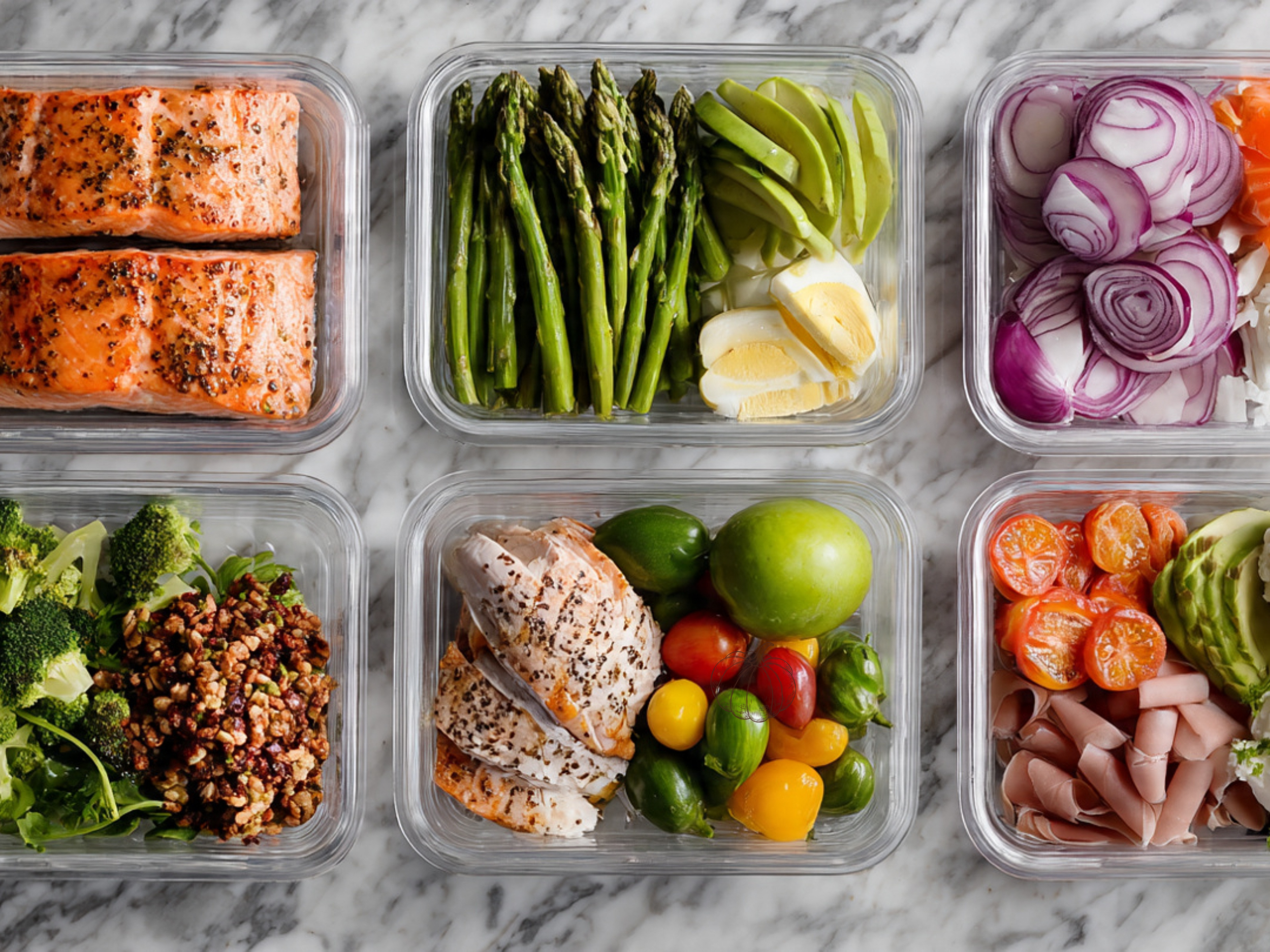
30 Plants a Week: The Simplest Upgrade for Your Health
Your gut loves a mix of prebiotic foods (the fibres that feed good bacteria) and probiotic foods (the live bacteria themselves). Together, they support digestion, immunity, mood and overall wellbeing — less bloating, better energy and a happier gut. Start small by adding more plant foods like garlic, oats and bananas, and gentle ferments like yoghurt or sauerkraut, and let consistency (not perfection) do the work.
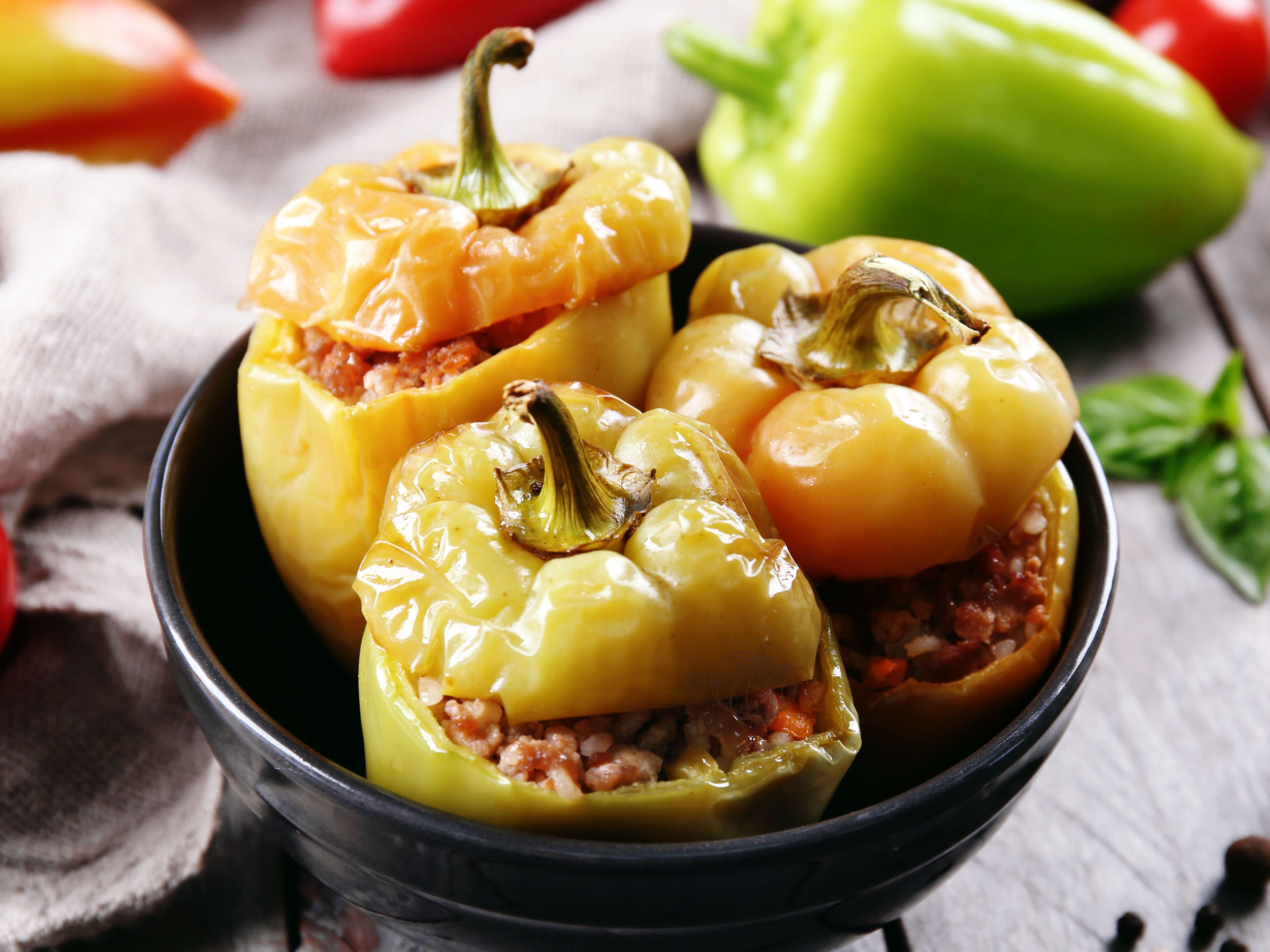
Leftover Makeover: Beef + Veggie Bolognese
Our Leftover Makeover series means cooking once and using the base multiple times, so all the heavy lifting is out of the way to make room for simple upgrades that make cooking during the week a breeze.
Check out all the personalities of our Beef and Veggie Bolognese here.
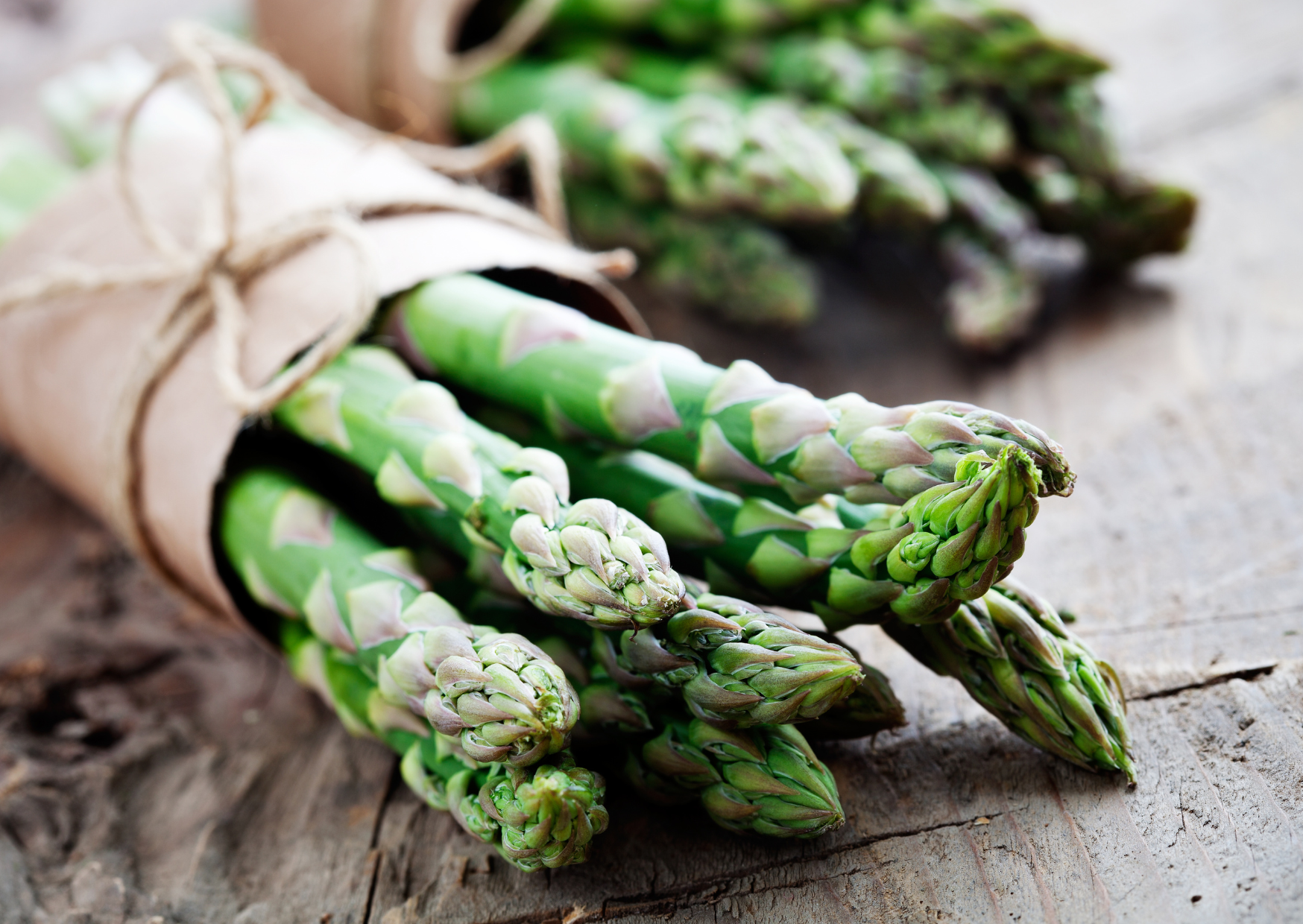
Prebiotic and Probiotic Foods: A Dynamic Duo for Gut Health
Your gut loves a mix of prebiotic foods (the fibres that feed good bacteria) and probiotic foods (the live bacteria themselves). Together, they support digestion, immunity, mood and overall wellbeing — less bloating, better energy and a happier gut. Start small by adding more plant foods like garlic, oats and bananas, and gentle ferments like yoghurt or sauerkraut, and let consistency (not perfection) do the work.
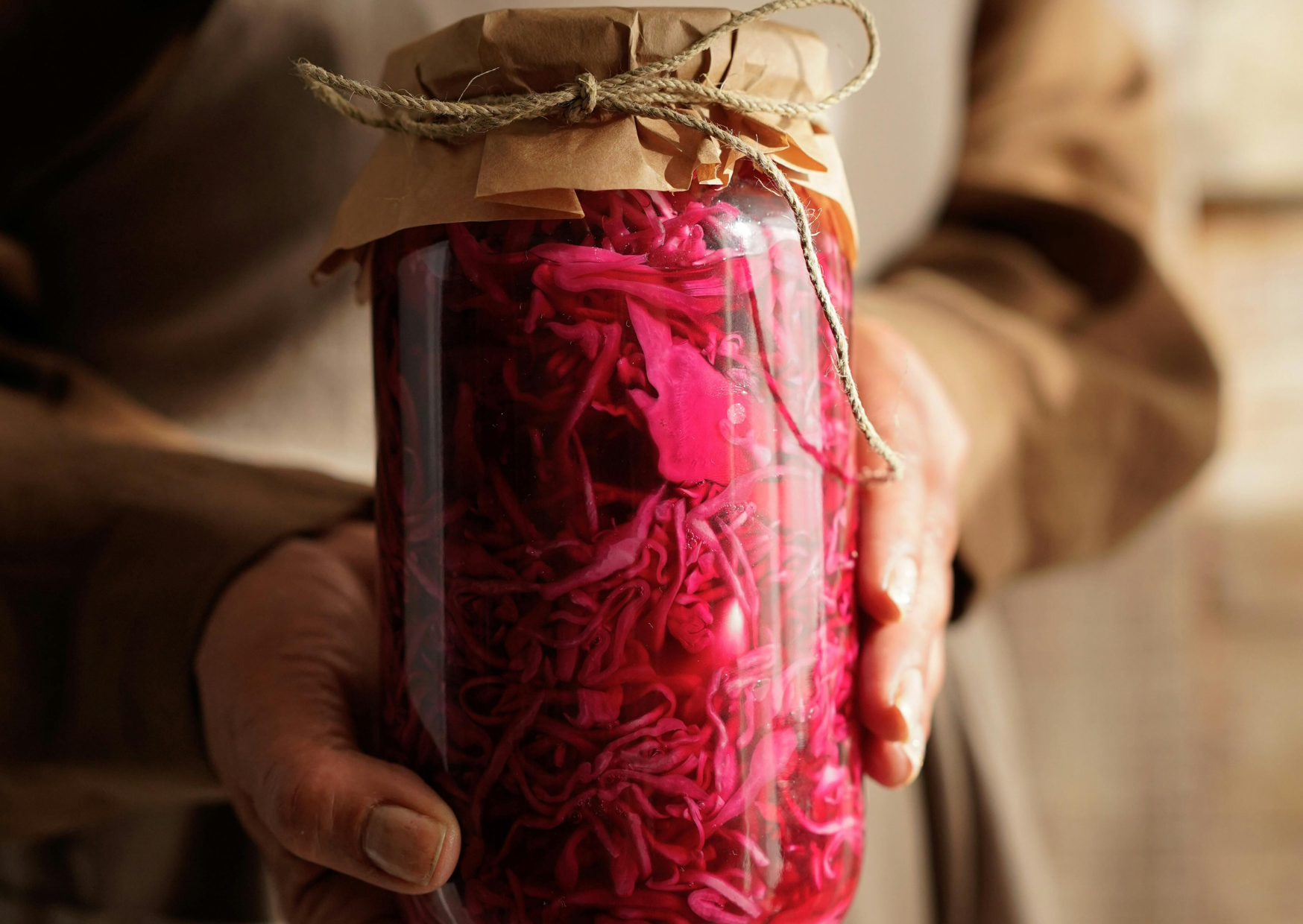
Meet Your Microbiome: The Helpers, the Builders & the Clean-Up Crew
Prebiotics are the fibres that feed your good gut bacteria, probiotics are the live beneficial microbes themselves, and postbiotics are the helpful compounds those microbes produce once they’re well-fed. Together, they support digestion, immune function, gut lining integrity and inflammation balance. Antibiotics, while sometimes essential, can disrupt this ecosystem by reducing both good and bad bacteria, which is why supporting the gut with prebiotic- and probiotic-rich foods before and after antibiotics can help restore balance.
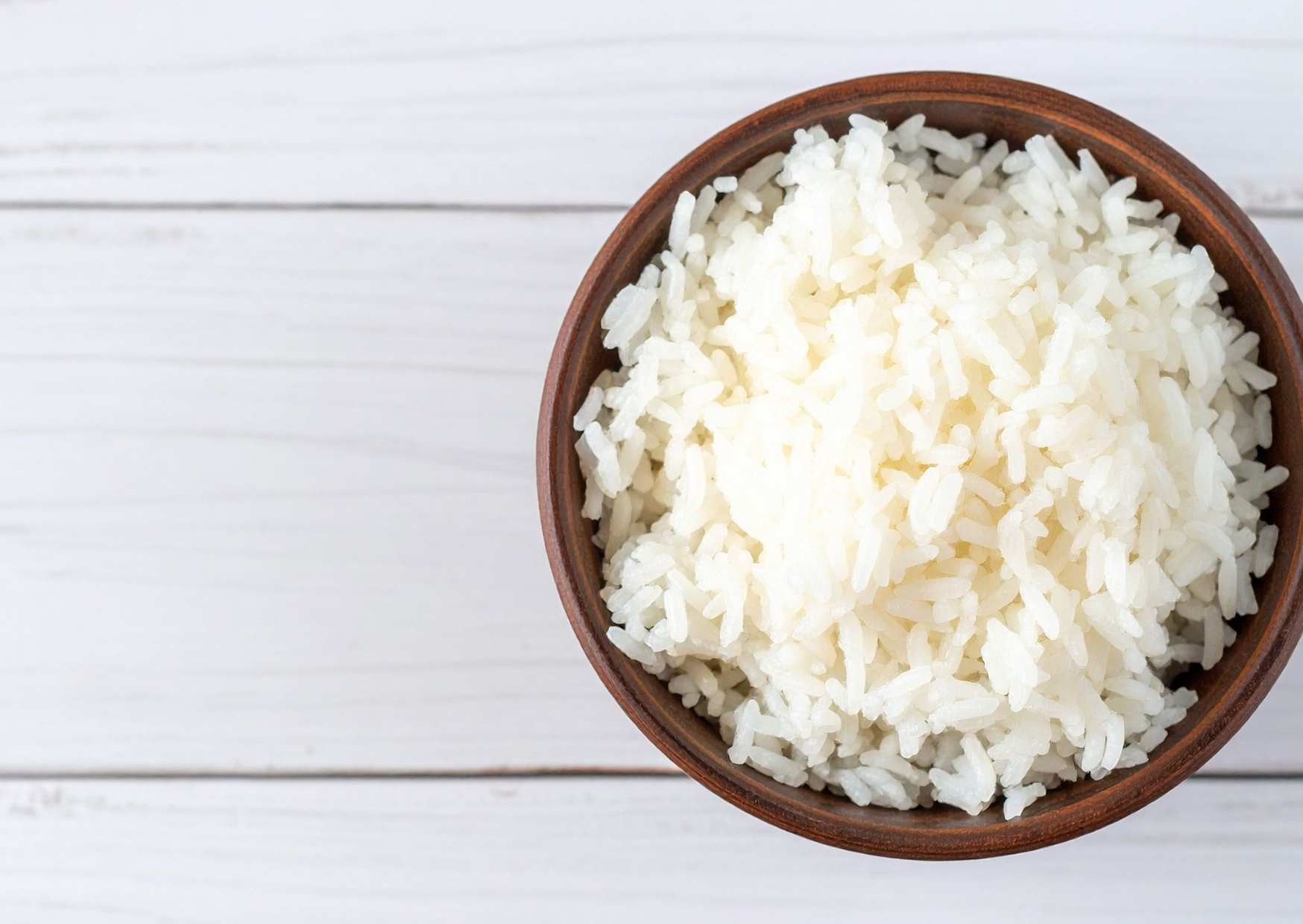
Unravelling Picky Eating in Kids
Unravelling Picky Eating in Kids
Picky eating is often a reflection of a child’s sensory experience, nervous system, or developmental stage, not stubbornness or bad behaviour. For many children, especially those with sensory sensitivities or neurodivergence, food can feel overwhelming rather than simply “unappealing.” Gentle, pressure-free support, calm environments, role modelling and small, familiar food upgrades help build trust, expand food variety and increase nutrients over time. The goal isn’t perfect eating, it’s safety, connection and nourishment that grows gradually.
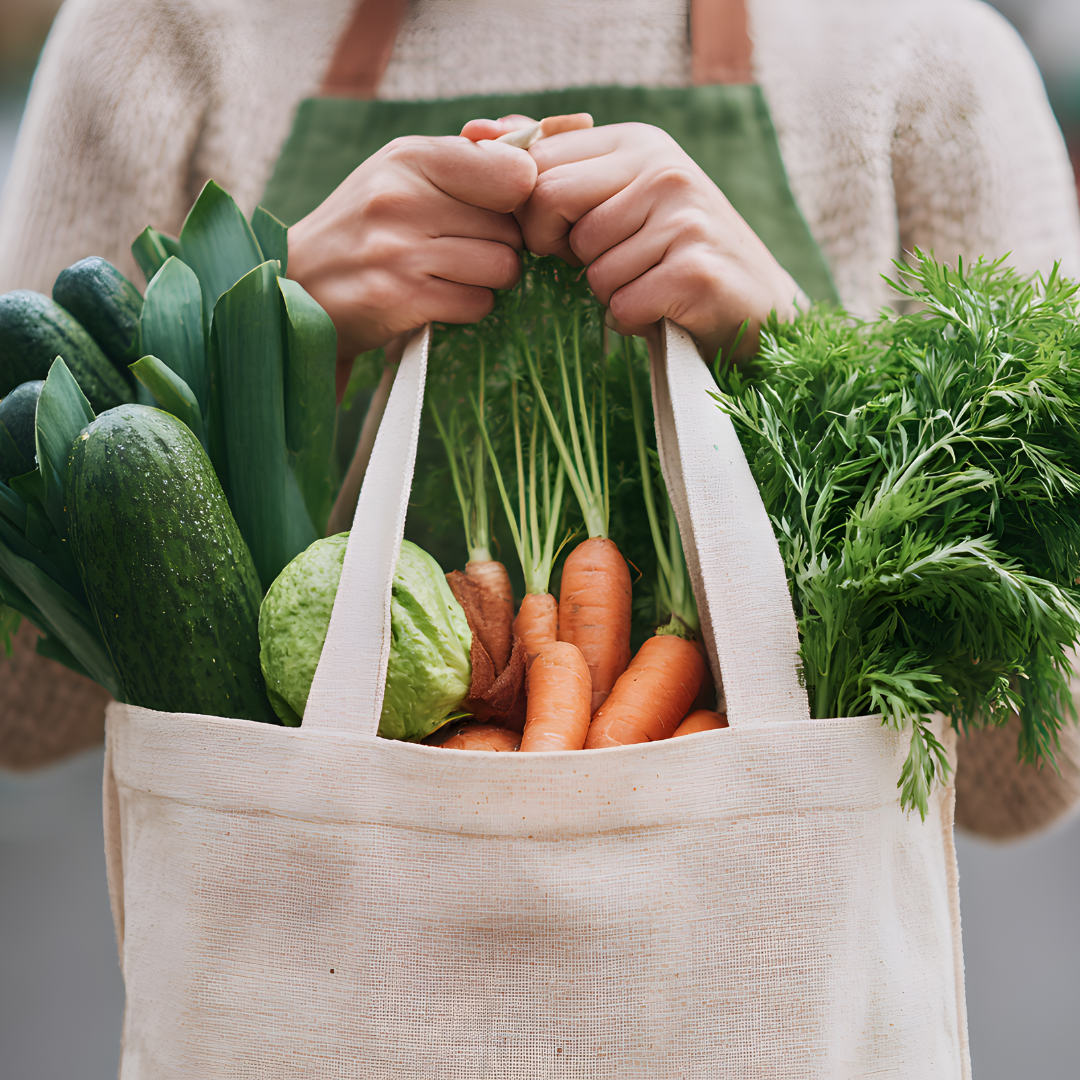
Supermarket Shortcuts for Reaching 40 Plants a Week
Supercharge your gut health with 40+ plant foods a week… here’s how to do it effortlessly on your next supermarket run!
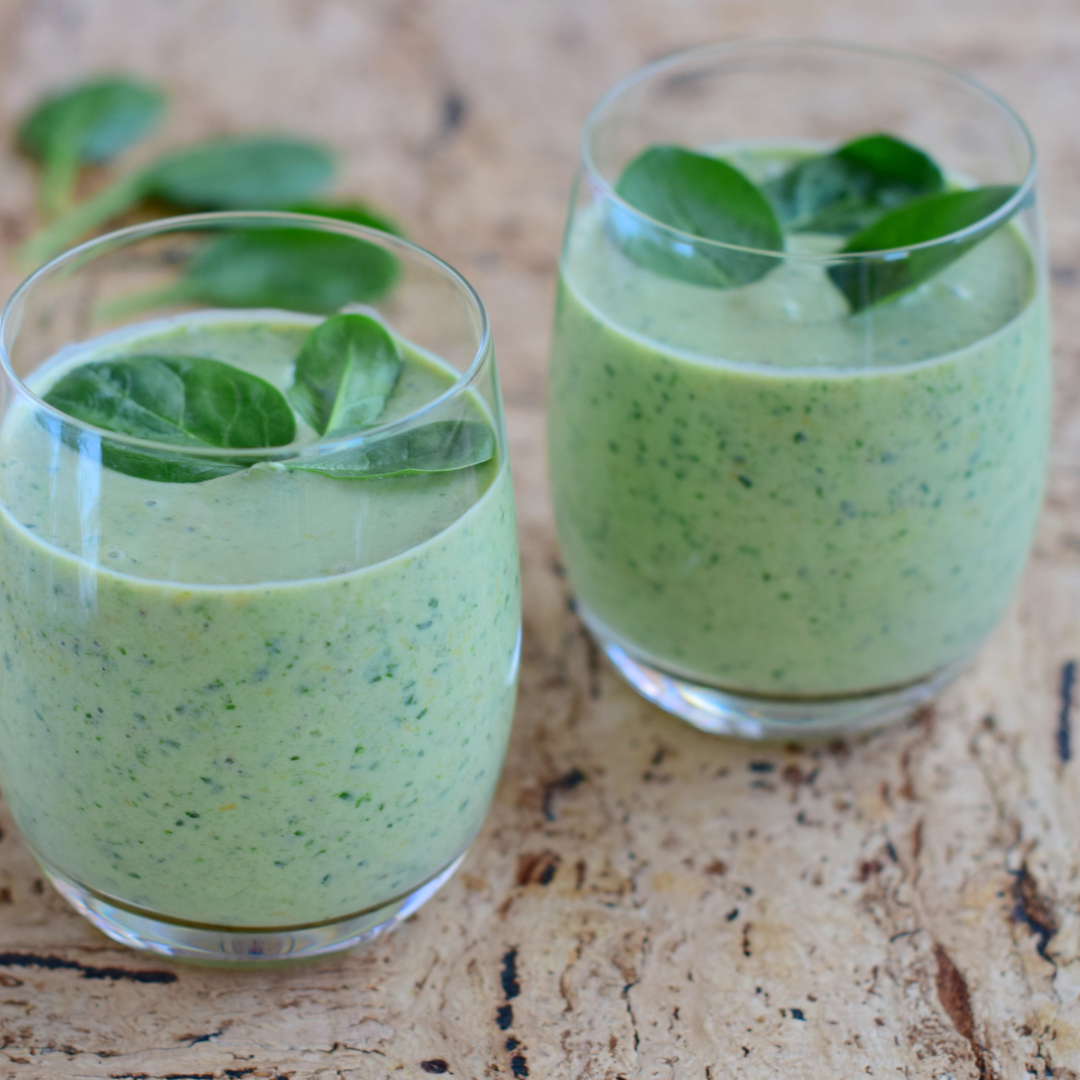
Always Chew Your Smoothie
Wait… chew my smoothie?
It might sound a little odd, but how you drink your smoothie can make a big difference to how well your body digests and absorbs all those nourishing ingredients. In this blog, we explore why slowing down and giving your smoothie a few “chews” could be the simplest way to support better digestion – and get more from every sip.
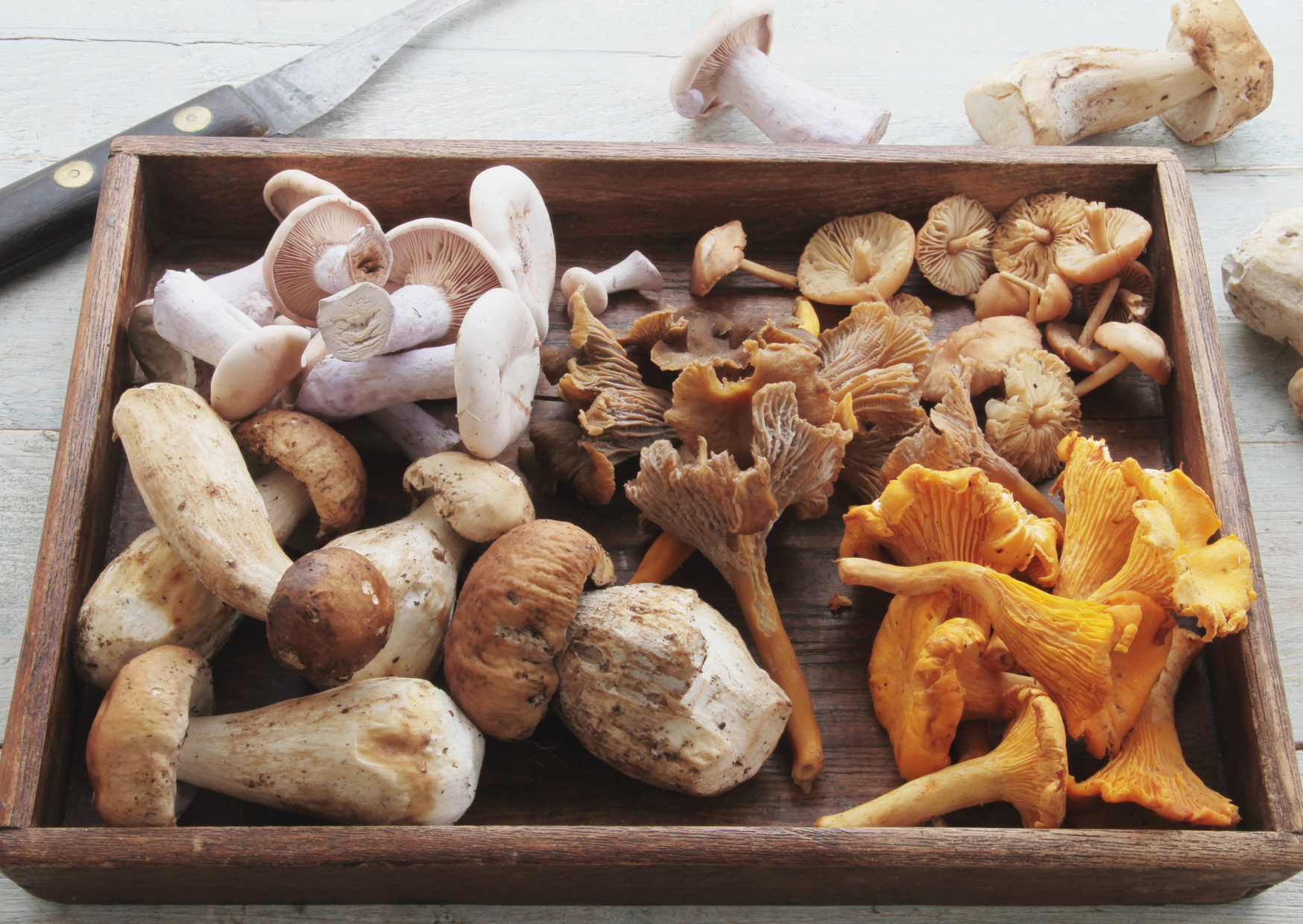
Sunbake your ‘Shrooms for Vitamin D
When we think of vitamin D, we often think of sunshine and maybe a supplement or two, but did you know your humble mushroom can also be a powerful source of this vital nutrient?
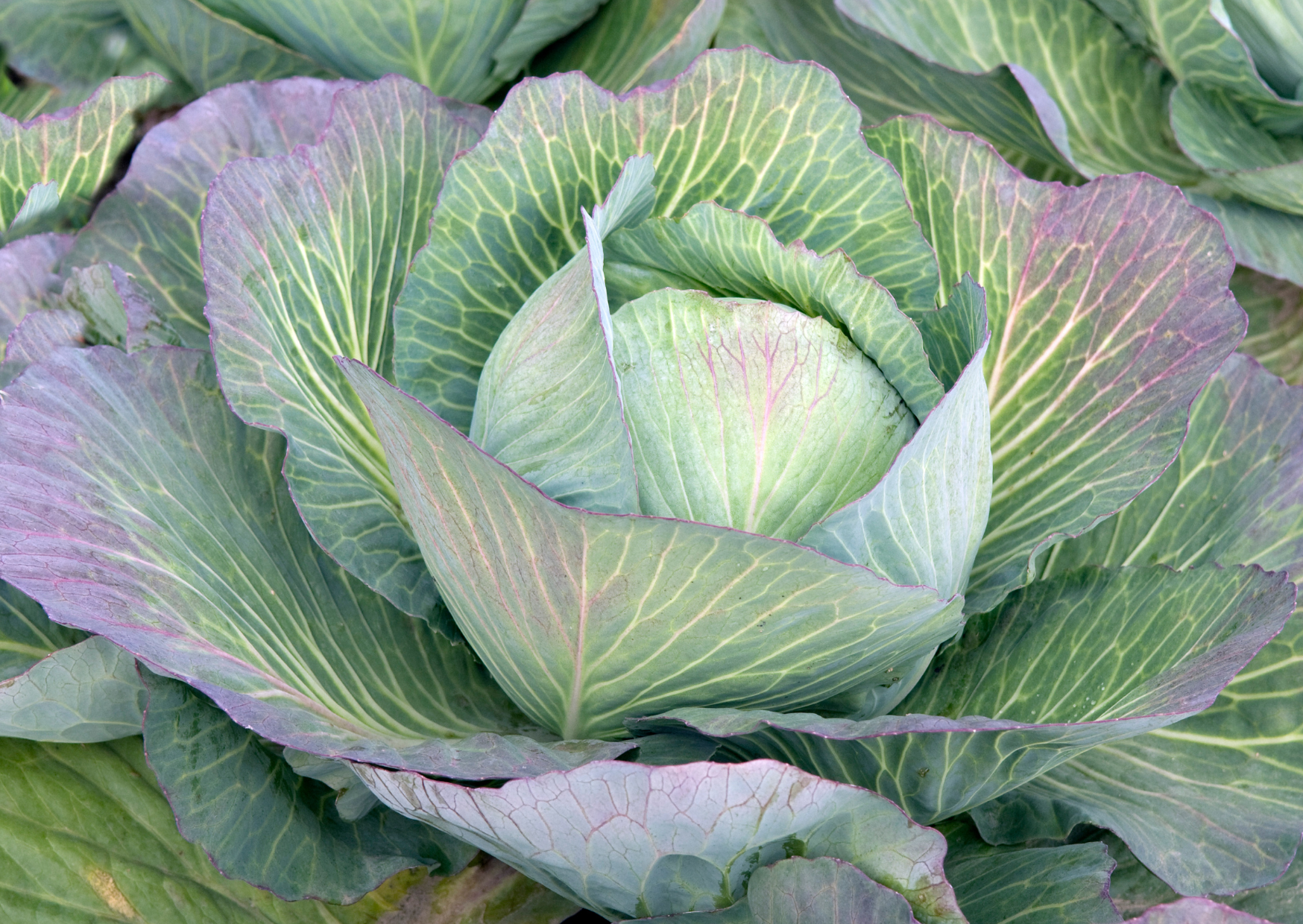
What’s a Brassica?
What is a Brassica? Brassicas or cruciferous vegetables are a family of vegies that include broccoli, cauliflower, Brussels sprouts, kale, cabbage, bok choy, kohlrabi, rabe, turnips, watercress, horseradish, radish, rocket and collard greens.
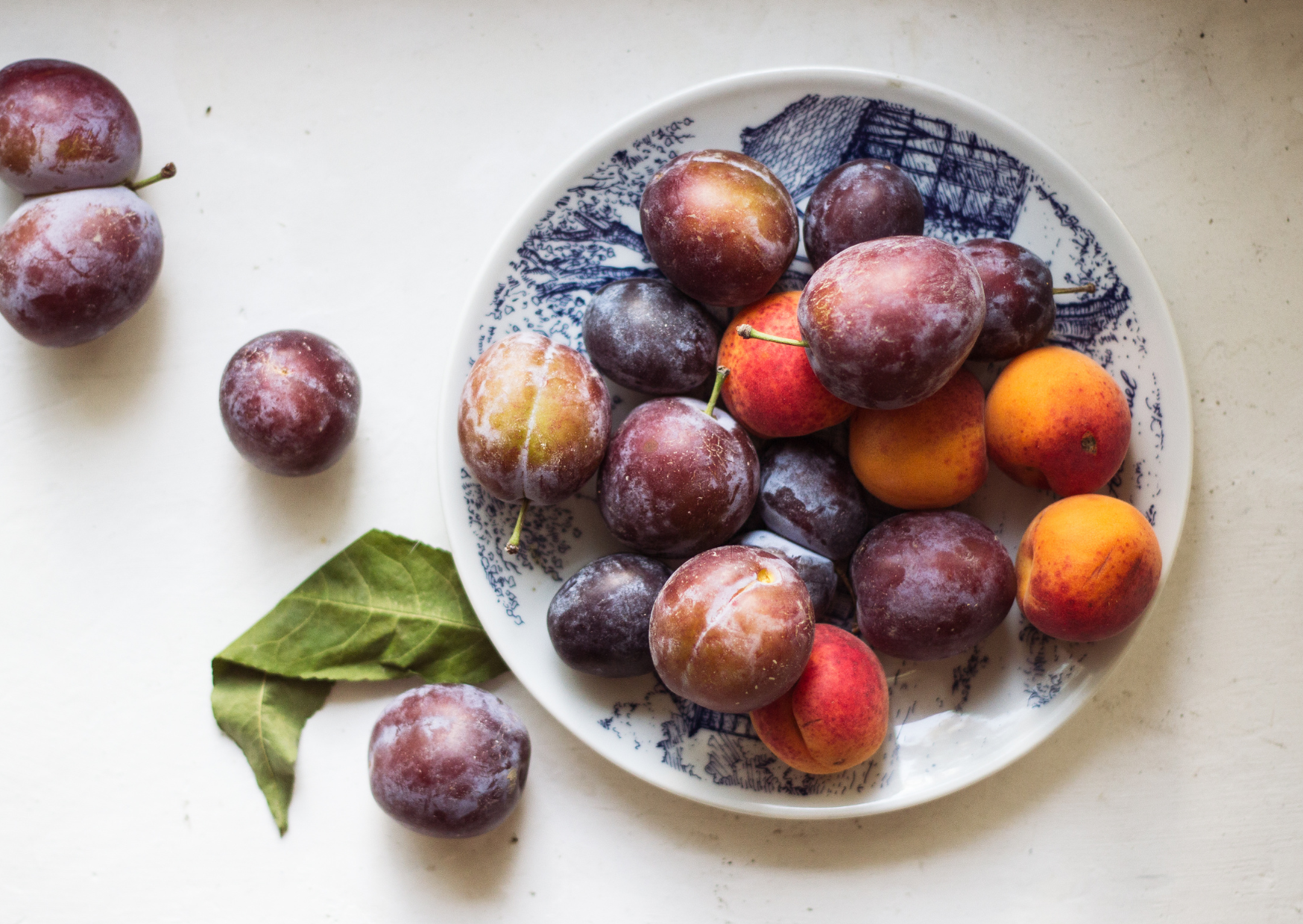
Eat your P’s for Poos
Eat Your P’s for Poos: Top Foods That Start with "P" to Relieve Constipation Naturally
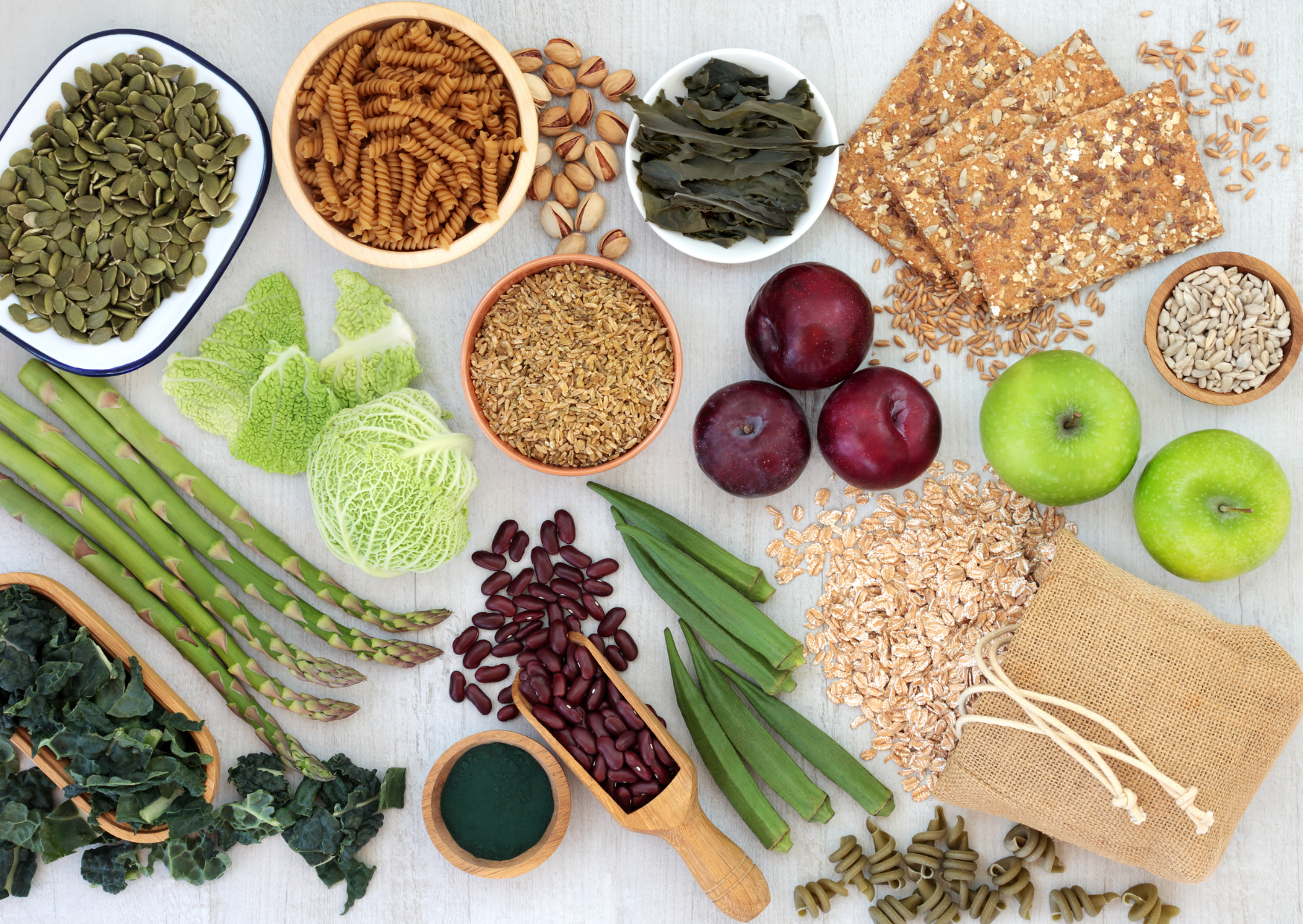
Understanding Insoluble Fibre, Soluble Fibre, and Resistant Starch: Why All Three Matter
Fibre is a key player in maintaining a healthy gut and supporting overall well-being, but not all fibre is created equal.