

Eat your P’s for Poos
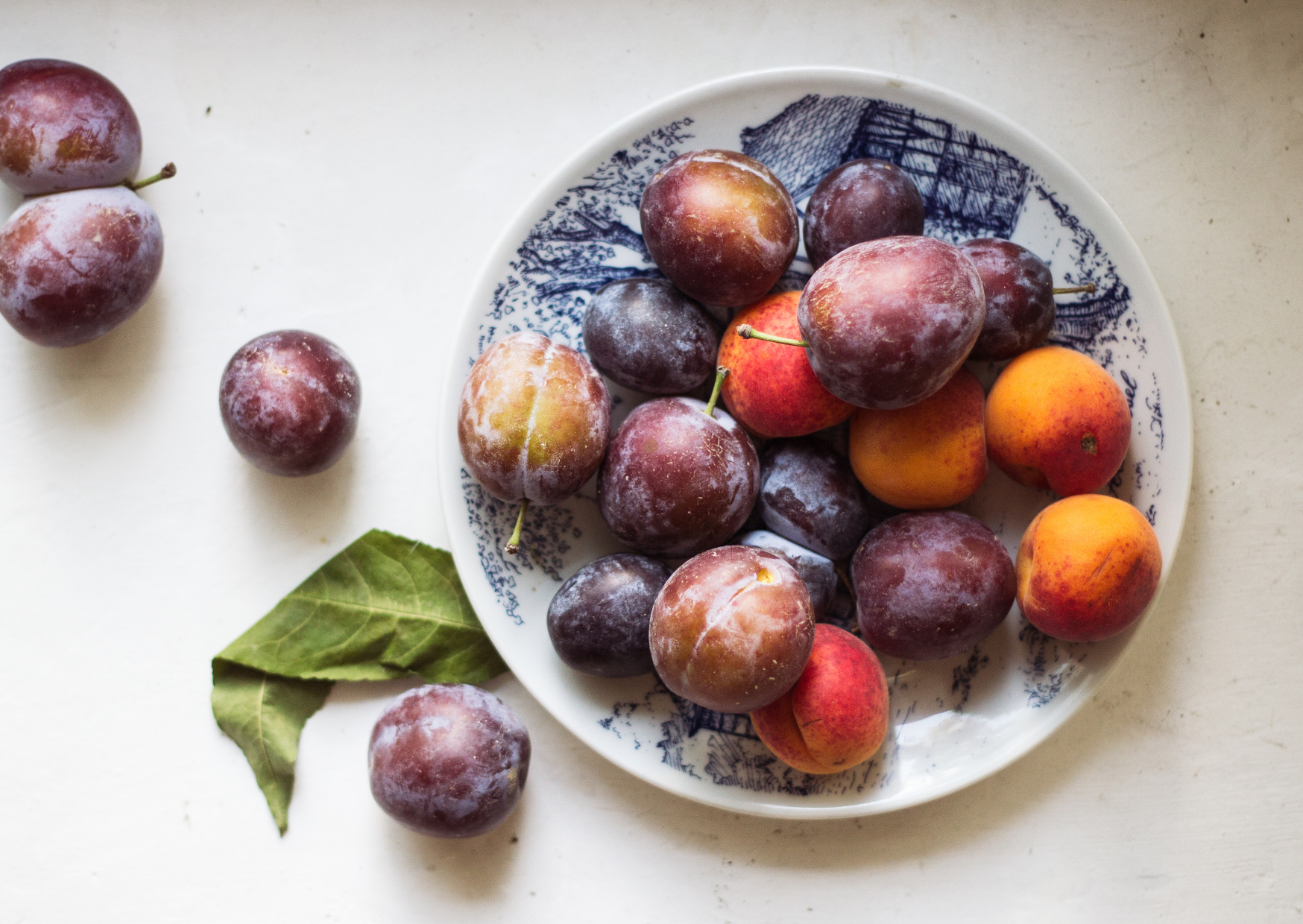
Plums for constipation
If you’ve ever faced the discomfort of constipation, you know how a little digestive help can make a world of difference. Fortunately, there’s a quirky (and easy-to-remember) trick to naturally support regularity: “Eat Your P’s for Poos!” From plums to pumpkin, foods starting with “P” are often fibre-rich and can help keep things moving along smoothly. Let’s take a look at some of these natural, tummy-friendly foods and why they’re so effective in aiding digestion.
1. Prunes
Prunes are famous for their laxative effect, and for good reason. They’re packed with both soluble and insoluble fibre, which works wonders for softening stools and adding bulk. Prunes also contain sorbitol, a natural sugar alcohol that helps draw water into the intestines, softening stool and promoting easier bowel movements. Start with a handful or mix them into yoghurt, oatmeal, or salads. You can also try prune juice.
2. Pears
Pears are hydrating and contain a hefty dose of fibre (about 6 grams per medium pear), especially in their skin. Like prunes, they also contain sorbitol, making them gentle on digestion while easing constipation. Pears are delicious on their own, but you can also chop them into salads, bake them with spices, or blend them into smoothies.
3. Peas
One cup of peas provides around 7 grams of fibre, a mix of soluble and insoluble fibre that’s perfect for digestive health. Plus, peas are rich in other essential nutrients like magnesium and vitamin C, which support overall health. Try adding peas to soups, stews, or salads, or blend them into creamy dips.
4. Pumpkin
With its smooth texture and mild taste, pumpkin is easy to incorporate into your diet, and it’s also high in water and fibre, helping to keep stools soft. The soluble fibre in pumpkin helps absorb water, creating a gel-like consistency in the digestive tract to make things move smoothly. Pumpkin puree is versatile: you can add it to oatmeal, bake it into muffins, or enjoy it as a soup base.
5. Papaya
Papaya contains a unique enzyme called papain that aids in breaking down protein and promotes smooth digestion. This tropical fruit is also full of fibre and water, both of which are essential for regular bowel movements. Slice up fresh papaya, add it to fruit salads, or blend it into a refreshing smoothie.
6. Pineapple
Pineapple is another tropical fruit that’s great for digestion, thanks to bromelain, a digestive enzyme that can help reduce bloating and improve digestion. It’s also high in water content and fibre. Fresh pineapple chunks are delicious in fruit bowls, salads, or smoothies.
7. Pistachios
These tasty nuts are packed with fibre and healthy fats that support gut health. While pistachios aren’t as high in fibre as fruits and veggies, they make for a nutritious, fibre-boosting snack. Enjoy them on their own, add them to trail mix, or sprinkle them over salads or yoghurt.
8. Peaches
Peaches offer a gentle way to boost fibre intake and are full of vitamins A and C. Their mild natural sugars also have a slight laxative effect. Eat them fresh, blend them into smoothies, or try them grilled for a delicious treat. A few dried apricots can also help to move things along -
Making These Foods Work for You
When incorporating these “P” foods into your diet, remember to start slowly. Introducing fibre slowly can prevent bloating or gas as your digestive system adjusts. It is essential to also stay hydrated, as water is essential for fibre to work its magic in the digestive tract.
Adding a few of these “P” foods daily can go a long way in supporting digestive health naturally. So next time you’re at the grocery store, remember to grab some P’s for smoother poos.
References:
Bae, SH 2014, ‘Diets for Constipation’, Pediatric Gastroenterology, Hepatology & Nutrition, vol. 17, no. 4, p. 203.
Bellini, M, Tonarelli, S, Barracca, F, Rettura, F, Pancetti, A, Ceccarelli, L, Ricchiuti, A, Costa, F, de Bortoli, N, Marchi, S & Rossi, A 2021, ‘Chronic Constipation: Is a Nutritional Approach Reasonable?’, Nutrients, vol. 13, no. 10, p. 3386.