

Prebiotic and Probiotic Foods: A Dynamic Duo for Gut Health
TL;DR: Prebiotic and probiotic foods are your allies in building a thriving gut microbiome… the vibrant ecosystem of bacteria that fuels your digestion, strengthens your immunity, and even lifts your mood. By understanding these foods and making simple changes, you can take control of your health and feel your best from the inside out.
What Are Prebiotic Foods?
Prebiotics are non-digestible fibres and compounds that serve as food for your gut bacteria. By nourishing beneficial microbes, prebiotics help them grow, thrive, and perform essential functions.
Health Benefits of Prebiotics
· Stimulate the growth of beneficial gut bacteria
· Support digestion and regularity
· Enhance nutrient absorption, especially calcium and magnesium
· Reduce inflammation and boost immune function
Top Prebiotic Foods
1. Garlic: Adds flavour and feeds gut bacteria.
2. Onions: A versatile ingredient rich in prebiotic fibre.
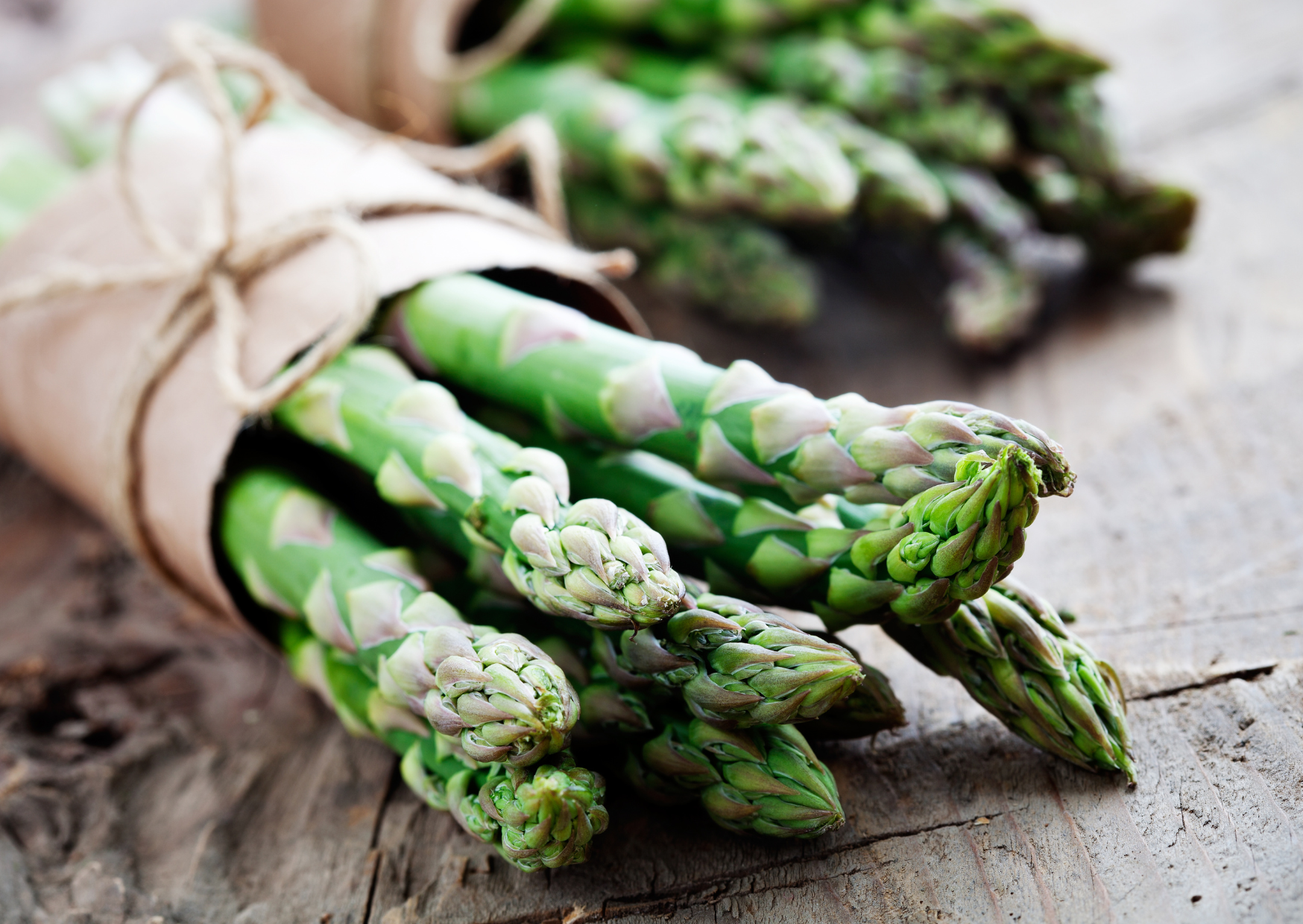
3. Asparagus: High in inulin, a powerful prebiotic.
4. Bananas: Green bananas and green banana flour are especially good for resistant starch.
5. Oats: Contain beta-glucan, a fibre that supports gut health.
6. Chicory Root: A coffee alternative and one of the richest prebiotic sources.
7. Legumes: Lentils, chickpeas, and beans are excellent prebiotic sources.
What Are Probiotic Foods?
Probiotic foods contain live beneficial bacteria that can populate your gut microbiome when consumed. They help maintain microbial balance and fight off harmful bacteria.
Health Benefits of Probiotics
· Restore gut balance after antibiotics or illness
· Aid digestion and reduce bloating
· Strengthen the immune system
· Support mental health by influencing the gut-brain axis
Top Probiotic Foods
1. Yoghurt: Look for labels stating “live and active cultures.”
2. Kefir: A fermented milk drink packed with diverse bacteria strains.
3. Sauerkraut: Fermented cabbage rich in probiotics and fibre.
4. Kimchi: Spicy Korean fermented vegetables.
5. Miso: A fermented soybean paste used in soups and marinades.
6. Tempeh: Fermented soybeans that double as a plant-based protein.
7. Pickles: Naturally fermented pickles (not vinegar-based).
How Prebiotics and Probiotics Work Together
Prebiotics and probiotics are a dynamic duo. Think of prebiotics as the "fertilizer" for your gut garden and probiotics as the "seeds." Prebiotic foods provide the nourishment that helps probiotics thrive, ensuring a balanced and resilient microbiome.
Examples of Synergistic Meals
· Yoghurt with Banana and Oats: Probiotic-rich yogurt paired with prebiotic-rich toppings. Check out our Brekkie Smoothie recipe.
· Tempeh Stir-Fry with Garlic and Asparagus: Combines probiotics (tempeh) and prebiotics (garlic and asparagus).
· Avocado Toast with Sauerkraut: A simple meal blending probiotic sauerkraut with fibre-rich avocado.
Tips for Incorporating Prebiotics and Probiotics
1. Diversify Your Diet: Rotate different plant-based foods to support a broad range of gut bacteria. Aim for 40 plants a week.
2. Check Labels: Look for “live and active cultures” on probiotic products.
3. Don’t Skip the Fibre: Prebiotics are essential to fuel probiotics.
4. Start Slow and Stay Hydrated: Adding too many high-fibre or fermented foods at once may cause bloating. Keep it moving through by drinking plenty of water.
Incorporating prebiotic and probiotic foods into your diet is a simple and effective way to support your gut health. From fibre-rich garlic and bananas to fermented staples like yoghurt and kimchi, these foods work together to create a thriving microbiome that benefits your body from the inside out.
References
Cryan, John F., et al. “The Microbiota-Gut-Brain Axis.” Physiological Reviews, vol. 99, no. 4, 28 Aug. 2019, pp. 1877–2013, pubmed.ncbi.nlm.nih.gov/31460832/, https://doi.org/10.1152/physrev.00018.2018.
Makki, Kassem, et al. “The Impact of Dietary Fiber on Gut Microbiota in Host Health and Disease.” Cell Host & Microbe, vol. 23, no. 6, 13 June 2018, pp. 705–715, www.sciencedirect.com/science/article/pii/S193131281830266X, https://doi.org/10.1016/j.chom.2018.05.012.
Valdes, Ana M, et al. “Role of the Gut Microbiota in Nutrition and Health.” BMJ, vol. 361, no. 361, 13 June 2018, p. k2179, www.bmj.com/content/361/bmj.k2179, https://doi.org/10.1136/bmj.k2179.