

Meet Your Microbiome: The Helpers, the Builders & the Clean-Up Crew
TL;DR: Prebiotics are the fibres that feed your good gut bacteria, probiotics are the live beneficial microbes themselves, and postbiotics are the helpful compounds those microbes produce once they’re well-fed. Together, they support digestion, immune function, gut lining integrity and inflammation balance. Antibiotics, while sometimes essential, can disrupt this ecosystem by reducing both good and bad bacteria, which is why supporting the gut with prebiotic- and probiotic-rich foods before and after antibiotics can help restore balance.
The terms prebiotic, probiotic, postbiotic, and antibiotic are often mentioned in discussions about gut health, but they can be confusing. Each plays a unique role in how our bodies interact with microorganisms. Let’s break them down:
1. Prebiotics: The Gut Microbe Food
What They Are:
Prebiotics are non-digestible fibres or compounds that feed the beneficial bacteria (microbes) in your gut.
Examples: Foods rich in prebiotics include garlic, onions, asparagus, bananas, and oats.
Why They Matter:
Prebiotics promote the growth and activity of good gut bacteria, which supports digestion, immune function, and overall health.
2. Probiotics: The Live Microbes
What They Are:
Probiotics are live microorganisms, often referred to as "good bacteria," that provide health benefits when consumed in adequate amounts.
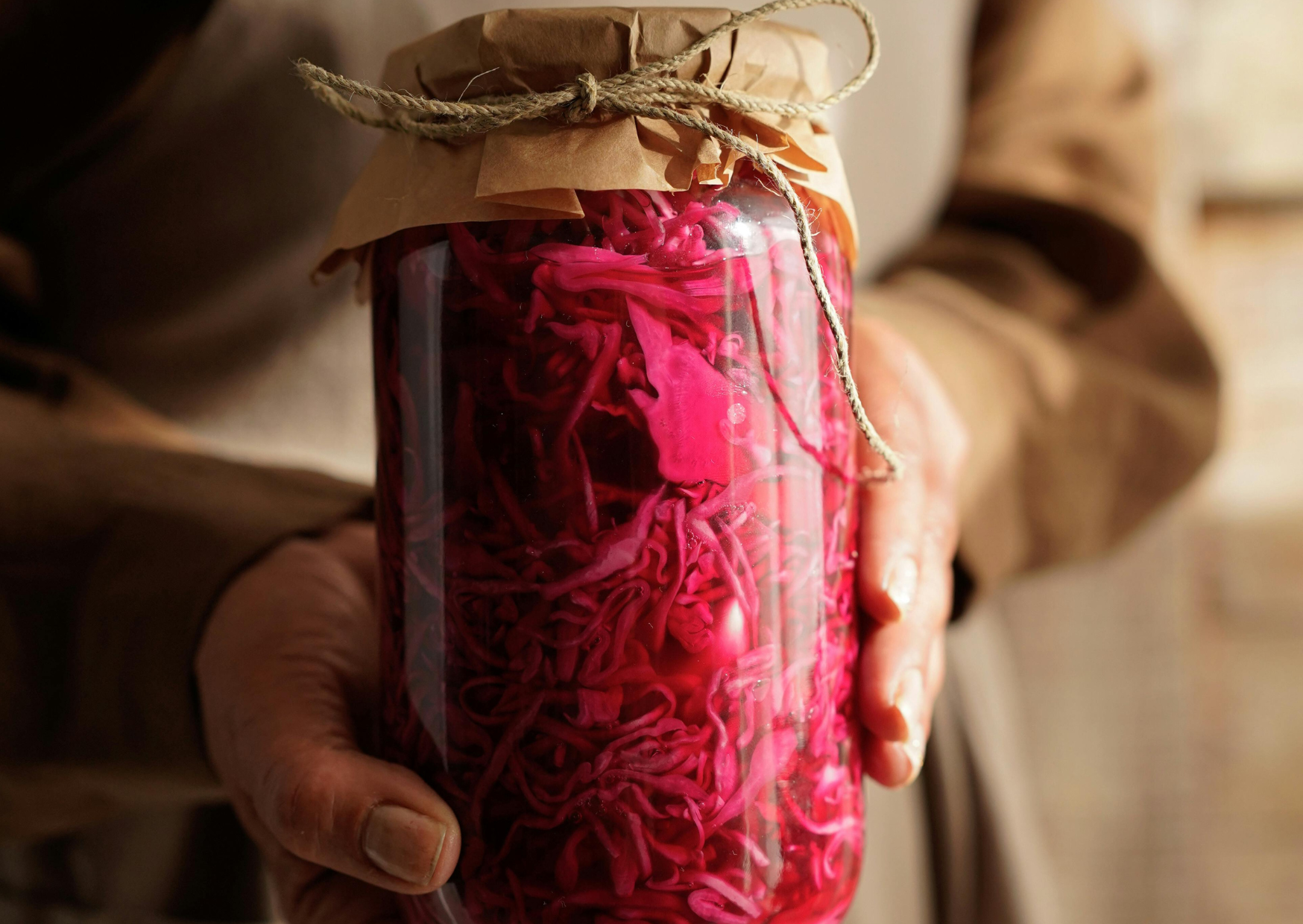
Examples: Found in fermented foods like yoghurt, kefir, sauerkraut, kimchi, and dietary supplements.
Why They Matter:
Probiotics help balance the gut microbiome, aid digestion, and may support immune health.
3. Postbiotics: The Microbial Byproducts
What They Are:
Postbiotics are the beneficial compounds produced by probiotics as they break down prebiotics. These include short-chain fatty acids, enzymes, and peptides.
Examples: Postbiotics are naturally present in fermented foods or supplements labelled as containing "fermentation byproducts."
Why They Matter:
They support gut health, reduce inflammation, and strengthen the intestinal barrier.
4. Antibiotics: The Microbe Killers
What They Are:
Antibiotics are medications designed to kill or inhibit the growth of bacteria, both harmful and beneficial.
Examples: Prescribed to treat bacterial infections like strep throat or urinary tract infections and post-surgery.
Why They Matter:
While lifesaving against harmful bacteria, antibiotics can disrupt the balance of your gut microbiome, which is why it’s often recommended to consume probiotics during or after antibiotic treatment.
How They Work Together (or Against Each Other)
Prebiotics fuel probiotics, enabling them to thrive and produce postbiotics.
Postbiotics are the byproducts that deliver direct health benefits.
Antibiotics, while necessary for fighting infections, can reduce both good and bad bacteria, underscoring the importance of restoring balance with prebiotics and probiotics after use.
Understanding these terms helps you make informed decisions about your gut health. By focusing on a diet rich in prebiotics and probiotics, you can naturally support a healthy microbiome and reap the benefits of postbiotics… no overthinking required!
References
Ji, J, Jin, W, Liu, S, Zhang, J & Li, X 2023, ‘Probiotics, prebiotics, and postbiotics in health and disease’, MedComm, vol. 4, Wiley, no. 6.
Salminen, S, Collado, MC, Endo, A, Hill, C, Lebeer, S, Quigley, EMM, Sanders, ME, Shamir, R, Swann, JR, Szajewska, H & Vinderola, G 2021, ‘The International Scientific Association of Probiotics and Prebiotics (ISAPP) consensus statement on the definition and scope of postbiotics’, Nature Reviews Gastroenterology & Hepatology, vol. 18, no. 9.
Zhou, P, Chen, C, Patil, S & Dong, S 2024, ‘Unveiling the therapeutic symphony of probiotics, prebiotics, and postbiotics in gut-immune harmony’, Frontiers in Nutrition, vol. 11, Frontiers Media.
Żółkiewicz, J, Marzec, A, Ruszczyński, M & Feleszko, W 2020, ‘Postbiotics—A Step Beyond Pre- and Probiotics’, Nutrients, vol. 12, no. 8.