

What’s a Brassica?
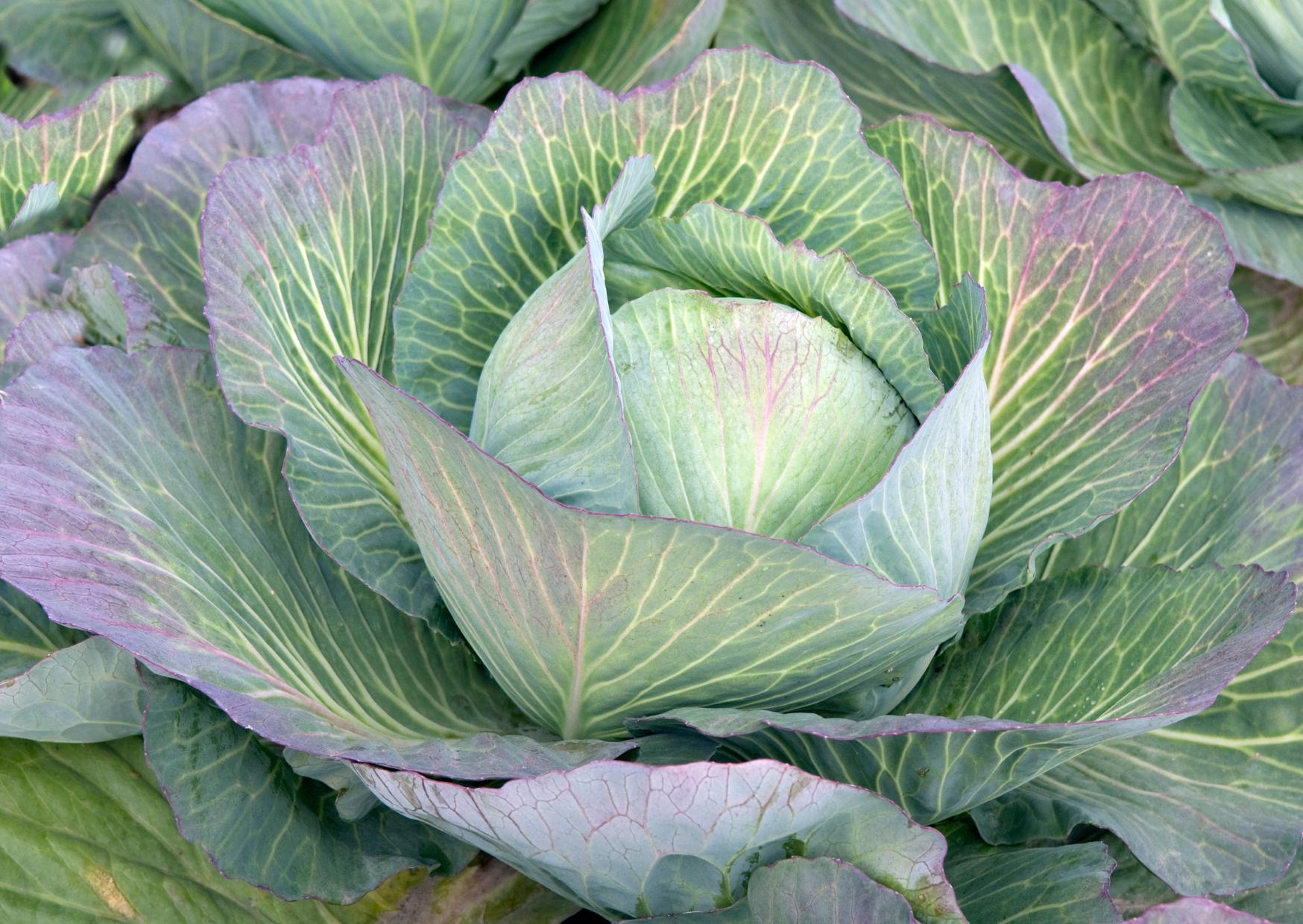
Brassica oleracea (ye olde cabbage)
I often get pulled up when speaking with clients about brassicas… “what are you talking about, Bree?” It happens quite a bit, because I talk about them… quite a bit. Quite a lot, actually. Brassicas, also known as cruciferous vegetables, belong to the Brassicaceae family, which includes nutrient-dense vegetables like broccoli, cauliflower, kale, cabbage, Brussels sprouts, and bok choy. These veggies are staples in many diets worldwide, thanks to their incredible versatility and robust nutritional profile. Brassicas are packed with essential vitamins and minerals, particularly vitamins A, C, and K, along with fibre, making them a brilliant addition to a healthy, balanced diet.
One of the unique benefits of brassicas that makes them stand out from the veggie crowd, is their high content of glucosinolates; natural compounds that give these vegetables their slightly bitter flavour and have been shown to have powerful health properties. When eaten, glucosinolates break down into active compounds that can help protect the body from oxidative stress, inflammation, and may have cancer-fighting abilities. Regularly adding brassicas into your meals may support your immune system, promote heart health, and contribute to overall disease prevention.
Brassicas are also great for digestive health due to their high fibre content. Fibre helps regulate the digestive system, supports gut health, and can contribute to maintaining a healthy weight by promoting a feeling of fullness. These vegetables are also low in calories but rich in phytonutrients (nutrients from plants), making them a valuable addition to any diet, whether you’re looking to boost your nutrient intake or manage your health conditions.
Whether you’re roasting Brussels sprouts, making kale chips or adding frozen cauliflower to a smoothie, brassicas offer endless culinary possibilities. They can be eaten raw, lightly cooked, or added to soups, stir-fries, and salads. Their versatility, combined with their amazing health benefits, makes brassicas an essential part of any health-conscious meal plan.
References:
Kellingray L, Tapp HS, Saha S, Doleman JF, Narbad A and Mithen RF 2017 Consumption of a diet rich in Brassica vegetables is associated with a reduced abundance of suphate-reducing bacteria: A randomised crossover study. Mol Nutr Food Res. 61(9): 1600992 doi: 10.1002/mnfr.201600992
Raiola A, Errico A, Petruk G, Monti DM, Barone A and Rigano MM, 2017 Bioactive Compounds in Brassicaceae Vegetables with a Role in the Prevention of Chronic Diseases, Molecules, 23(1):15, https://doi.org/10.3390/molecules23010015