
Understanding Insoluble Fibre, Soluble Fibre, and Resistant Starch: Why All Three Matter
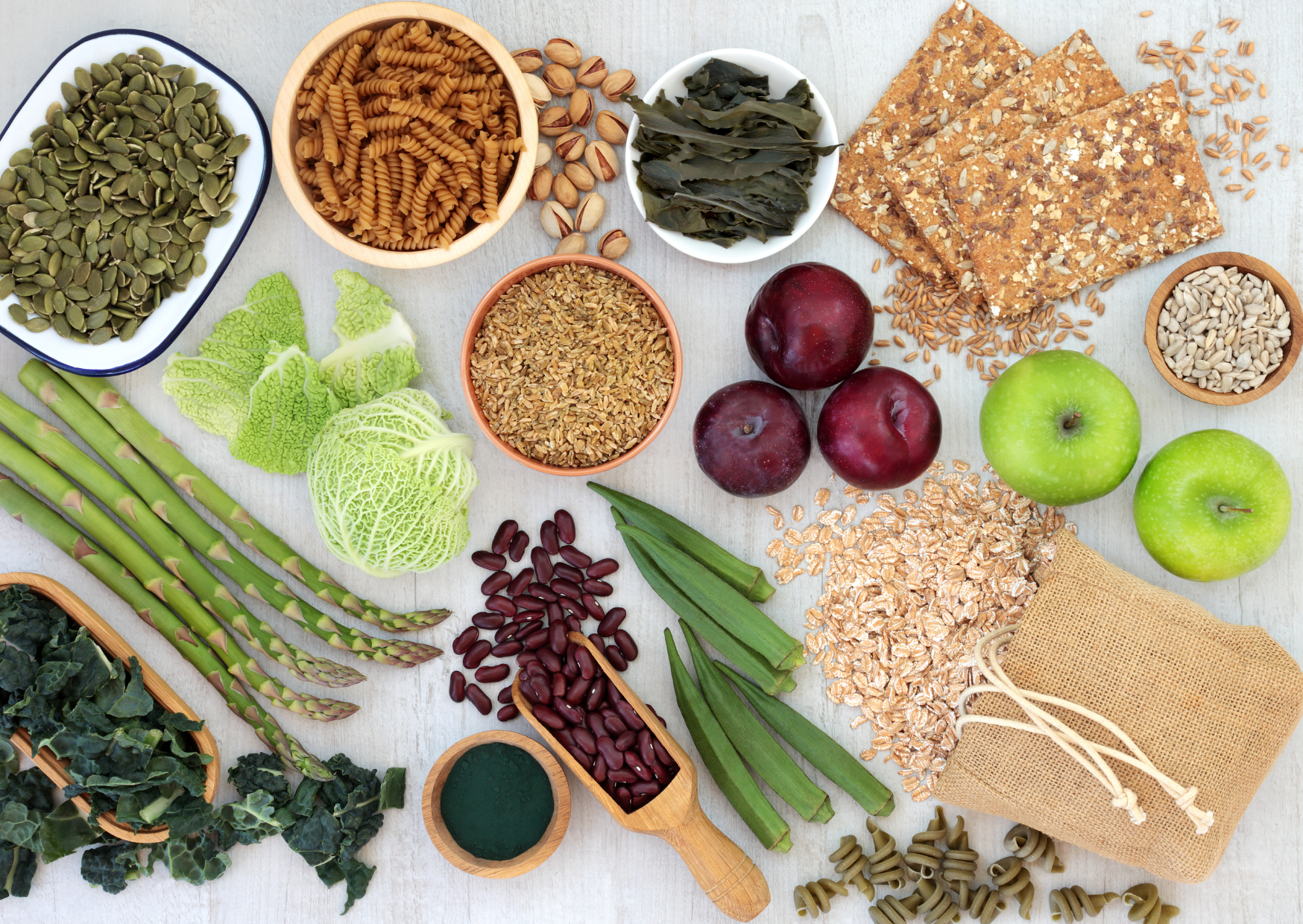
Fibre is a key player in maintaining a healthy gut and supporting overall well-being, but not all fibre is created equal. There are three main types of dietary fibre: insoluble fibre, soluble fibre, and resistant starch. Each type serves unique purposes, and incorporating all three into your diet is essential for optimal health. Read on to find out what they are, where to find them, and why they matter.
1. Insoluble Fibre: The Gut Mover
What It Does
Insoluble fibre adds bulk to your stool and helps keep your digestive system running smoothly. It's often referred to as "nature’s broom," sweeping through your intestines to prevent constipation and promote regularity.
Health Benefits
· Supports bowel regularity (are you going 1-2 times a day?)
· Reduces the risk of haemorrhoids and diverticular disease
· May help regulate blood sugar levels indirectly by promoting efficient digestion
Sources of Insoluble Fibre
· Wholegrains: Wheat bran, brown rice, wholegrain bread
· Vegetables: Carrots, broccoli, cauliflower
· Nuts and seeds: Almonds, sunflower seeds
2. Soluble Fibre: The Gel-Former
What It Does
Soluble fibre dissolves in water to form a gel-like substance. This helps slow digestion, allowing your body to absorb nutrients more efficiently and stabilize blood sugar levels.
Health Benefits
· Lowers cholesterol by binding to bile acids
· Improves blood sugar control, which is beneficial for managing diabetes
· Provides a food source for gut microbes, contributing to a healthy microbiome
Sources of Soluble Fibre
· Fruits: Apples, oranges, berries
· Vegetables: Sweet potatoes, Brussels sprouts
· Legumes: Lentils, chickpeas
· Oats and barley
3. Resistant Starch: The Gut Microbe Feeder
What It Does
Resistant starch acts like fibre because it "resists" digestion in the small intestine. Instead, it ferments in the large intestine, feeding beneficial gut bacteria and producing short-chain fatty acids (SCFAs), like butyrate, which have anti-inflammatory and gut-healing properties.
Health Benefits
· Supports gut health by feeding good bacteria
· Improves insulin sensitivity
· Promotes satiety, helping with weight management
· Reduces inflammation in the gut
Sources of Resistant Starch
· Cooked and cooled foods: Potatoes, rice, and pasta
· Green bananas and green banana flour
· Legumes: Lentils and beans
· Wholegrains
How to Combine All Three for Optimal Health
Incorporating a balance of insoluble fibre, soluble fibre, and resistant starch is simpler than it seems. Here’s how you can create meals that offer all three:
· Breakfast: Start with a porridge or muesli of oats (soluble fibre) topped with sliced apples (soluble fibre) and chia seeds (a mix of fibres) (try our Apple Pie Overnight Oats).
· Lunch: A salad with leafy greens (insoluble fibre), roasted chickpeas (soluble fibre and resistant starch).
· Dinner: A serving of quinoa or brown rice (insoluble fibre) with lentil-based dahl or tomato-based sauce (soluble fibre and resistant starch), paired with steamed broccoli (insoluble fibre).
· Snacks: Green banana slices with almond butter (resistant starch and insoluble fibre) or a handful of nuts and seeds.
Eating a variety of fibre-rich foods ensures you’re giving your body what it needs for gut health, heart health, and beyond. By intentionally including all three types of fibre in your diet, you’re setting the stage for long-term wellness.
References
Khorasaniha, R, Olof, H, Voisin, A, Armstrong, K, Wine, E, Vasanthan, T & Armstrong, H 2023, ‘Diversity of fibers in common foods: Key to advancing dietary research’, Food Hydrocolloids, vol. 139, p. 108495.
Li, YO & Komarek, AR 2017, ‘Dietary fibre basics: Health, nutrition, analysis, and applications’, Food Quality and Safety, vol. 1, no. 1, pp. 47–59.
Mathers, JC 2023, ‘Dietary fibre and health: the story so far’, Proceedings of the Nutrition Society, vol. 82, no. 2, pp. 120–129.