

30 Plants a Week: The Simplest Upgrade for Your Health
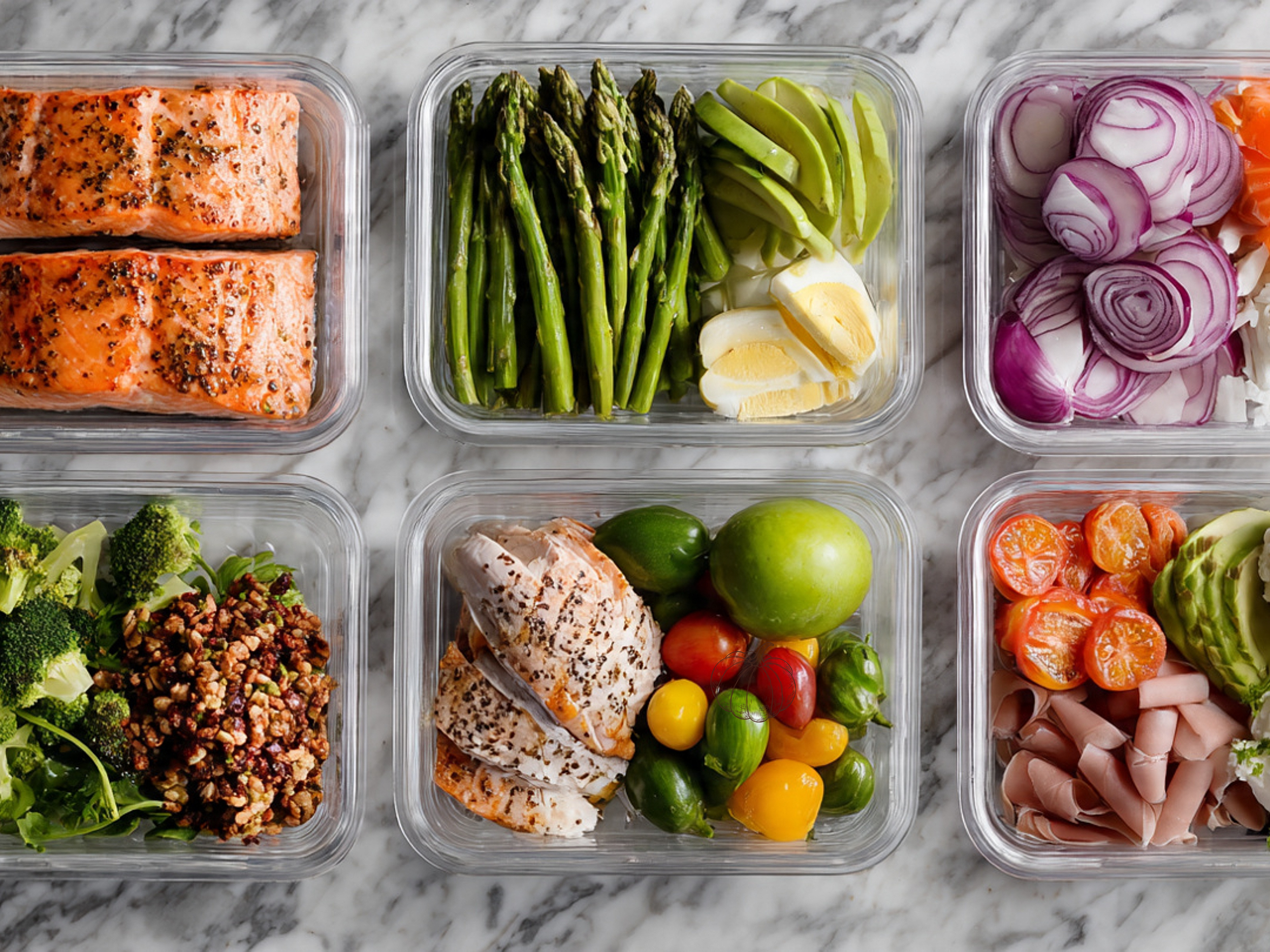
TL;DR: Eating 30+ different plant foods each week supports a healthier gut, which means better digestion, stronger immunity, improved mood, and reduced risk of chronic disease.
It’s not about eating perfectly, it’s about eating more variety. Every plant counts (veggies, fruits, grains, legumes, nuts, seeds, herbs, spices), even your coffee and that sneaky dark chocolate is rich in gut-loving polyphenols.
Keep it simple… Add, rotate, and mix plants across your meals across the week.
Why 30+ Plants a Week Matters
One of the largest studies on gut health, the American Gut Project (2018), found something surprisingly simple; people who eat 30 or more different plant foods each week have better gut health.
Not more calories. Not stricter diets. No ‘superfoods’. Just more variety.
Why does variety matter?
Your gut is home to trillions of bacteria. This is what we refer to as your microbiome.
The more variety of plants you eat, the more types of fibres, polyphenols and nutrients you provide, and the more diverse (and resilient) your gut becomes. Think of it like a thriving garden.
A diverse gut is linked to:
Better digestion
Stronger immunity
More stable energy
Improved hormone health
Different plants = different fibres.
Some fibres add bulk, others soften your stools, and some specifically feed your good gut bacteria (these are called prebiotics).
When you eat a wide range of plants, you’re covering all bases:
· supporting regularity
· reducing bloating
· keeping things moving comfortably
Around 70% of your immune system lives in your gut.
A well-fed, balanced microbiome helps:
Reduce inflammation
Support immune responses
Protect against unwanted bugs
More plant variety = better-fed bacteria = better support for your immune system.
Your gut and brain are constantly talking (the gut–brain axis).
When your gut bacteria are thriving, they produce compounds (like short-chain fatty acids) that can:
Support mood
Influence stress response
Play a role in focus and clarity
A nourished gut can support a more resilient mind. Hello, perimenopause brain fog…
Different plants bring different nutrients, like antioxidants, polyphenols, vitamins and minerals.
The more variety you eat, the broader your intake of these protective compounds.
This is linked to a lower risk of:
Heart disease
Type 2 diabetes
Some cancers
Eating 30+ plants often naturally means:
More seasonal produce
More whole foods
More variety, less reliance on ultra-processed foods
A win for your health and the environment.
How to reach 30 plants (without overthinking it).
This isn’t about perfection… it’s about adding, not restricting.
Try:
Mixing up your veggies each week (swap broccoli → broccolini, carrot → pumpkin)
Adding herbs and spices (they all count!)
Using bean mixes, lentils, and chickpeas
Snacking on nuts, seeds, fruit, or veggie sticks
Choosing different colours of the same plants e.g. red, green and yellow capsicum
Keeping frozen berries and veg on hand for easy variety
Rotating your staples instead of eating the same meals on repeat
Even small changes build up quickly.
You don’t need a complicated diet to support your health.
Just aim to eat more plants. Eat more variety.
A colourful, diverse plate is a naturally nourishing way to:
Support your gut
Strengthen your immune system
Protect your long-term health
It’s simple, flexible, and fits into real life.
References
Crawford, D., Ball, K., Mishra, G., Salmon, J., & Timperio, A. (2007). Which food-related behaviours are associated with healthier intakes of fruits and vegetables among women?. Public health nutrition, 10(3), 256-265. https://doi.org/10.1017/S1368980007246798
Ducrot, P., Méjean, C., Aroumougame, V., Ibanez, G., Allès, B., Kesse-Guyot, E., Hercberg, S., & Péneau, S. (2017). Meal planning is associated with food variety, diet quality and body weight status in a large sample of French adults. The international journal of behavioral nutrition and physical activity, 14(1), 12. https://doi.org/10.1186/s12966-017-0461-7
Leeming, Emily R, et al. “Effect of Diet on the Gut Microbiota: Rethinking Intervention Duration.” Nutrients, vol. 11, no. 12, 22 Nov. 2019, p. 2862, https://doi.org/10.3390/nu11122862.
McDonald, D., Hyde, E., Debelius, J. W., Morton, J. T., Gonzalez, A., Ackermann, G., Aksenov, A. A., Behsaz, B., Brennan, C., Chen, Y., DeRight Goldasich, L., Dorrestein, P. C., Dunn, R. R., Fahimipour, A. K., Gaffney, J., Gilbert, J. A., Gogul, G., Green, J. L., Hugenholtz, P., Humphrey, G., … Knight, R. (2018). American Gut: An Open Platform for Citizen Science Microbiome Research. mSystems, 3(3), e00031-18. https://doi.org/10.1128/mSystems.00031-18